
EUAs traded rangebound amid mixed signals
The European power spot prices faded yesterday on forecasts of stronger wind output and warmer temperatures dampening the power demand. Prices eroded 7.74€/MWh to 50.70€/MWh…

The trends that have been at work for several days were first accentuated yesterday on the markets: the US 10-year yield exceeded 1.8% and the Nasdaq entered a correction phase (more than 10% loss compared to its November record), giving up up to 2.7% more in the session. Then everything changed: rates fell (now 1.75%) and the Nasdaq closed very slightly higher.
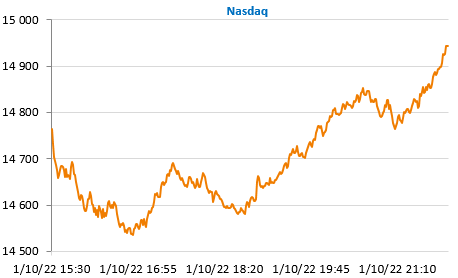
All this shows that many people are probably convinced that interest rates will not rise much and that a 10% drop is an opportunity to invest in technology stocks in a context where growth prospects are still solid. This uncertainty is likely to persist in the markets for some time. If inflation moderates significantly as the consensus expects, the Fed will not need to overreact and the equity market will remain protected from a sharp rate hike. If core inflation turns out to be higher than expected, the Fed and the market will “chase inflation” and a severe downward adjustment in risky assets is to be feared.
In the short term, the next big event will be the release of US inflation figures tomorrow. Jerome Powell will have a lot to do in the Senate today to explain his monetary policy and especially the fact that his No. 2 is being forced to resign after two other members of the Fed for personal financial transactions that are totally prohibited!